Top Tips for Choosing the Best Elastic RFID Wristband?
In recent years, elastic rfid wristbands have gained immense popularity across various industries. According to a recent report by Allied Market Research, the global RFID market is projected to reach $40.3 billion by 2026, with wristbands playing a crucial role in this growth. These versatile devices offer a combination of convenience and security, making them ideal for events, access control, and cashless transactions.
Choosing the right elastic RFID wristband can be challenging. It's essential to consider factors like material, durability, and design. Recent studies indicate that 65% of consumers prioritize comfort in wearable technology. Over time, poorly designed wristbands can lead to discomfort, impacting user experience. Thus, understanding your specific needs is vital for making an informed decision.
Reflecting on various options available in the market, it's clear that not all wristbands are created equal. Some brands may claim to be durable but fail under pressure. Authentic reviews and expert insights can provide clarity. In the crowded market of elastic RFID wristbands, being informed can make all the difference.
Understanding RFID Technology and Its Applications
RFID technology is revolutionizing how we interact with the world. At its core, RFID stands for Radio Frequency Identification. It uses electromagnetic fields to automatically identify and track tags attached to objects. These tags contain unique identifiers, allowing for quick access to information. This technology is widely applied in various industries, from event management to inventory control.
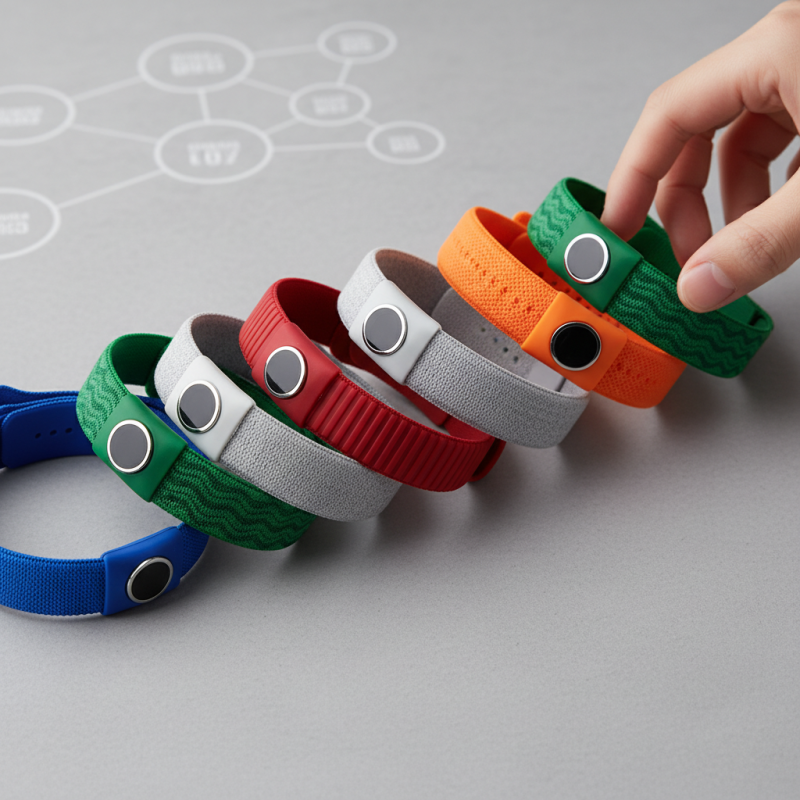
Elastic RFID wristbands are particularly popular. They are lightweight and comfortable, making them ideal for events. The adaptability of these wristbands allows them to fit various wrist sizes. This is essential for events where attendees may seek convenience and security. The information stored in the RFID chip can include personal identification, entry credentials, or payment details. It simplifies processes, yet users must be mindful of security concerns.
While RFID offers many advantages, it’s not foolproof. Data breaches and privacy issues are real risks. Moreover, the technology's effectiveness can depend on the environment. Thick materials or metal can interfere with signal transmission. Users should stay informed about how to use RFID responsibly. There is still much to learn about maximizing this technology while ensuring safety.
Key Features to Look for in Elastic RFID Wristbands
When selecting the ideal elastic RFID wristband, certain key features can greatly influence your choice. Look for bands that offer durability and comfort. Research indicates that over 70% of users prefer wristbands that are made from high-quality elastic materials. These materials should withstand daily wear and maintain elasticity over time. A well-designed wristband should fit snugly but not restrict blood flow.
Consider the RFID range and compatibility. Many wristbands work within a frequency range of 125 kHz to 915 MHz. Depending on your needs, ensure the wristband matches your RFID reader's specifications. Security features are essential; they protect sensitive information from unauthorized access. A reported 45% of RFID-related data breaches stem from inadequate security measures. Look for wristbands that incorporate encryption or other advanced security techniques.
Don’t overlook customization options. The ability to personalize wristbands can enhance user experience. Custom colors, sizes, and designs allow for branding opportunities. Furthermore, pay attention to the closure mechanism. A reliable and secure closure can prevent loss during activities. Keep in mind that not all wristbands are created equal. Reflecting on user feedback can provide insight into the product's performance in real-world scenarios.
Factors Influencing the Comfort and Fit of Wristbands
When choosing an elastic RFID wristband, comfort and fit are crucial. A wristband that feels good will likely be worn for long periods. The material construction plays a vital role here. Some materials are soft yet durable, while others might irritate the skin. Testing the band against your skin can help identify any potential discomfort.
Another factor is the size adjustability. Many wristbands come with adjustable features. If a wristband is too tight, it can pinch the skin. Conversely, if it's too loose, it may slip off easily. Selecting a band with a reliable clasp system can enhance security and comfort.
Design aspects like width and thickness also matter. A wider band can distribute pressure more evenly, reducing discomfort over time. Think about everyday activities when wearing a wristband. If it restricts movement during these tasks, it might be time to reconsider your choice. Reflecting on these factors ensures a practical and enjoyable experience with your RFID wristband.
Evaluating Durability and Material Quality of Wristbands
When selecting elastic RFID wristbands, durability and material quality play crucial roles. The material should withstand daily wear, especially in active environments. Elastic bands made from high-quality silicone or polyester offer flexibility and comfort. It's essential to check the thickness and texture of the material. Thicker bands typically provide better resistance to tearing. However, they can be less comfortable for some users, leading to potential irritation.
In addition to material, the construction of the wristband matters. Look for bands that feature reinforced edges. This can enhance durability considerably. Some wristbands may appear sturdy initially but can wear out quickly under stress. Testing the elasticity before purchasing can offer insights into long-term use. A wristband that stretches too easily might not hold up in rigorous conditions.
Contemplate how the wristband fits into your specific needs. For events or outdoor activities, finding a balance between comfort and strength is pivotal. A wristband that is too rigid could lead to discomfort. Conversely, one that is overly soft may lose functionality over time. Ultimately, investing time in selecting the right material and assessing durability can yield a more reliable and enjoyable experience.
Cost Considerations and Budgeting for RFID Wristbands
When considering RFID wristbands, cost plays a crucial role. According to industry reports, the average cost for a basic elastic RFID wristband ranges from $0.50 to $1.50. However, factors like quantity and customization can significantly affect this price. Bulk orders often bring down the unit cost, making it more feasible for large events. Yet, a low price might compromise quality. It’s essential to strike a balance between budget and reliability.
Budgeting for RFID wristbands should account for hidden costs. These can include setup fees for custom designs and shipping expenses. A report by RFID Journal indicated that up to 15% of total costs could stem from these additional charges. Planners should also consider potential losses due to wristband failures. If a wristband malfunctions, it can lead to security breaches or logistical nightmares during events. Therefore, investing in quality RFID wristbands may save money in the long run, even if initial costs are higher.
Event organizers need to reflect on the long-term value of their investment. An expensive wristband might offer better durability and security features. However, it is vital to assess whether these features align with specific event requirements. Flexibility in design and usage should also influence choice. An approach focused solely on cost could lead to more significant expenses down the line if wristbands do not perform as expected. Prioritizing both cost and quality is key.