How to Choose the Best Food Safety Kits for Your Home?
Food safety is vital for every household. Choosing the right Food Safety Kits is essential for ensuring safe meal preparation. These kits can help prevent foodborne illnesses and promote healthy cooking practices.
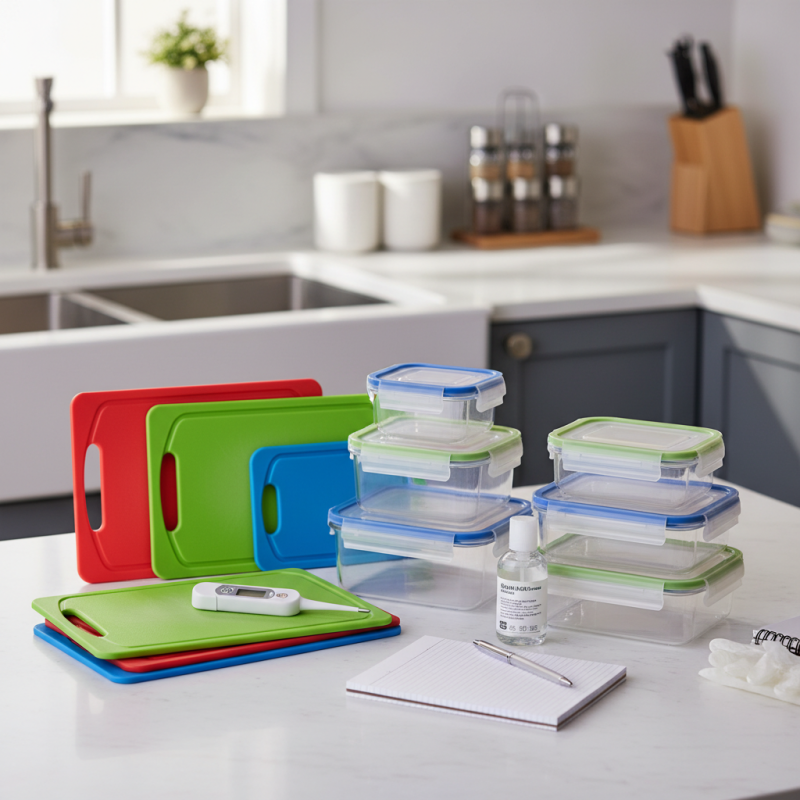
A suitable Food Safety Kit should include basic tools like thermometers, color-coded cutting boards, and safe storage containers. Consider the size of your household and the frequency of cooking when selecting a kit. Not every kit is designed for everyone. It's often necessary to reflect on your cooking habits and the specific needs of your family.
Many people overlook the importance of regular kitchen checks. A good kit will encourage routine inspections of food items and kitchen cleanliness. The goal is to build a safer culinary environment. Embracing this mindset could lead to better health for your loved ones. Food safety requires attention to detail and commitment.
Understanding Food Safety Kits: An Overview
Food safety kits are essential for maintaining health in the kitchen. They often include thermometers, food testing strips, and safety gloves. Understanding how these tools function is vital. For example, a thermometer ensures meats are cooked to safe temperatures. Yet, many people neglect to check food temperatures. This can lead to foodborne illnesses.
Additionally, food testing strips are handy for checking acidity levels in home-canned goods. However, not everyone uses them. Some might assume their food is safe without testing. This oversight can be risky. Safety gloves aid in preventing cross-contamination. Still, they’re frequently ignored when people rush through meal prep.
In essence, food safety kits offer valuable tools, but awareness is crucial. Simply owning a kit doesn't guarantee food safety. Users must actively engage with the tools. Reflecting on personal habits can enhance safety in the kitchen. Making these small changes can lead to significant improvements in food safety.
Key Features to Look for in Food Safety Kits
When choosing food safety kits for your home, focus on crucial features that ensure your family's health. Look for kits that include a thermometer. According to industry reports, improper food temperatures cause 60% of foodborne illnesses. A reliable thermometer can make a real difference.
Next, consider the kit's sanitation tools. Effective sanitization tools can reduce bacteria by 99.9%. This is vital for surfaces that touch food. Ensure the kit includes items like wipes or solutions suitable for food contact surfaces. Remember, having the right cleaning tools can prevent cross-contamination.
Tips: Test your thermometer regularly. A simple ice water bath can ensure accuracy. Additionally, check expiry dates on sanitizing solutions. Using outdated products is a risk you don't want. Lastly, think about storage. A cluttered kitchen may lead to overlooked contaminants. Keep safety tools easily accessible and organized for daily use.
Food Safety Kits Feature Comparison
Assessing Your Home's Specific Food Safety Needs
When choosing food safety kits for your home, it's important to assess your specific needs. Consider your cooking habits and the types of food you handle. Do you often prepare raw meats or handle dairy products? These factors influence the tools you might need. Keeping a cold thermometer is essential if poultry is in your meals often. If you enjoy baking, measuring spoons and cups can help as well.
Next, evaluate the layout of your kitchen. Is it spacious or compact? Different spaces might require different kits. A compact kitchen may benefit from multitasking tools that save space. Look for items that you can use for various purposes. If your kitchen lacks storage, consider portable food safety kits. These allow for easy access and storage without clutter.
Lastly, reflect on your current habits. Are you diligent with food storage and temperature checking? If not, it might be useful to incorporate checklists or reminders. Recognizing areas for improvement can help you build a more effective food safety plan. Creating an environment that fosters safe cooking practices is crucial for your health.
Comparing Popular Brands and Their Offerings
When selecting food safety kits for your home, various factors emerge. Popular brands often offer an array of testing supplies for kitchen surfaces, meat, and water. Some kits include detailed instructions. Others feature easy-to-read results. However, these kits can vary significantly. Consider looking beyond labels while choosing the right kit.
Price is an essential aspect to consider. Some products are more affordable but may lack comprehensive testing options. You might find larger kits that seem cost-effective, yet their individual components might not perform as well. Read reviews to gauge reliability. It could feel overwhelming at times, especially with so many options available.
Some brands have a better reputation. However, it might not always translate to superior performance. Test results may vary based on many factors, such as usage and storage. In the end, it’s wise to reflect on your unique needs. Think about the type of food you commonly prepare and the potential hazards you face in your kitchen. You might discover that a simple, focused kit serves you best.
Tips for Maintaining and Utilizing Your Food Safety Kit
When it comes to food safety, having a well-organized kit is essential. Start by including the basics: a thermometer, hand sanitizer, and gloves. These items make a big difference in preventing foodborne illnesses. However, simply owning these tools isn’t enough. You must regularly check their condition and expiration dates. Many people forget to replace their old tools, which can lead to mishaps.
Utilizing your food safety kit properly is key. Before preparing any meals, ensure your hands and surfaces are clean. Use the thermometer to check internal temperatures. It's often tempting to trust one's instincts, but this can be risky. Measure carefully, and remember that each type of food has a recommended temperature. Understanding this helps maintain safety and taste.
Being proactive is crucial. Keep the kit in an easy-to-reach location. Check it every month to confirm all items are present. It's common to find items missing when you really need them. Additionally, educating family members about food safety practices promotes a culture of safety at home. Consider holding family meetings to discuss these practices.