How to Choose the Best Bamboo Wipes for Your Needs?
Choosing the best Bamboo Wipes for your needs can feel overwhelming. With numerous brands on the market, it’s essential to know what to look for. Bamboo Wipes are not only eco-friendly but also gentle on the skin. Their biodegradable properties make them a great option for both personal care and environmental consciousness.
When selecting Bamboo Wipes, consider factors such as texture, scent, and ingredients. Some wipes may contain added fragrances or preservatives. It's crucial to check for potential allergens or irritating substances. Many people overlook this aspect, leading to regrettable choices. You want something that cleans effectively while being soft and safe for all ages.
Additionally, think about packaging and availability. Some brands offer single packs, while others provide bulk options. Finding a reliable source is important, especially if you want to keep a steady supply. Remember, not all Bamboo Wipes are equal. Reflect on your specific needs, and take your time to make an informed decision.
Understanding the Benefits of Bamboo Wipes for Hygiene
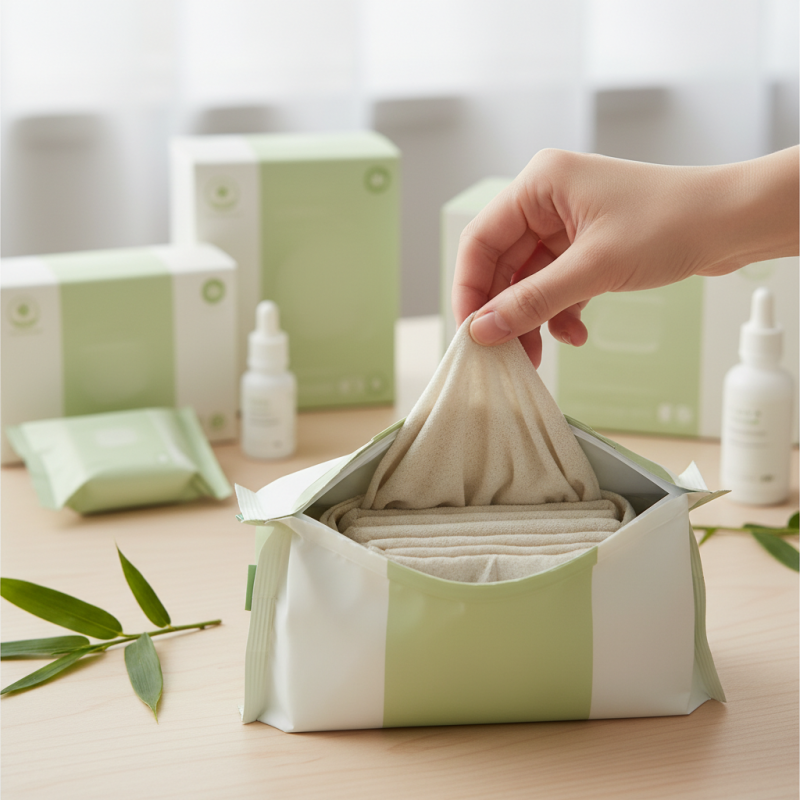
Bamboo wipes are gaining popularity as a sustainable hygiene option. They are made from natural bamboo fibers, which offer several benefits for personal care. Bamboo grows quickly and requires less water compared to traditional cotton. This makes bamboo wipes an eco-friendly choice.
Using bamboo wipes is also gentle for the skin. They are often free from harsh chemicals, reducing the risk of irritation. Many parents opt for bamboo wipes for babies due to their softness and hypoallergenic properties. The wipes are not only suitable for delicate skin but also biodegradable, making them a great addition to a green lifestyle.
However, it’s essential to consider your specific needs. Not all bamboo wipes are created equal. Some may contain added fragrances or preservatives. It’s a good idea to read the labels carefully before making a purchase. This ensures you choose a product that aligns with your hygiene requirements and ethical values. Engaging in this process may help you find a better match for your lifestyle.
Key Factors to Consider When Choosing Bamboo Wipes
When choosing bamboo wipes, consider several key factors. The purpose of the wipes is crucial. For sensitive skin, choose wipes that are free from chemicals. Look for those that are hypoallergenic, ensuring comfort for everyone in the family. If you plan to use them for cleaning surfaces, check their durability. Stronger wipes can handle tough messes better than thinner options.
Another important aspect is the packaging. Opt for wipes that come in eco-friendly packaging. Many bamboo products are biodegradable, which contributes to a greener planet. Also, consider the size of the wipes. Larger sizes may cover more area, but smaller wipes can be more convenient for on-the-go situations.
Price is often a reflection of quality. While it's tempting to go for the cheapest option, premium wipes may offer better performance. Consumer reviews can indicate whether a product lives up to its claims. Not every wipe will perform flawlessly in every scenario, so personal experiences play a significant role in your choice. Test a few if possible, and adapt based on your specific needs.
How to Choose the Best Bamboo Wipes for Your Needs? - Key Factors to Consider When Choosing Bamboo Wipes
| Criteria | Description | Importance |
| Material Composition | Look for 100% bamboo fiber for maximum softness and absorbency. | High |
| Chemical-Free | Opt for wipes that are free from harsh chemicals and fragrances. | Essential |
| Size of Wipes | Choose a size that fits your usage, whether for babies, adults, or cleaning tasks. | Medium |
| Packaging | Look for eco-friendly packaging to reduce environmental impact. | High |
| Moisture Content | Check for wipes that maintain optimal moisture for effective cleaning. | High |
Evaluating the Ingredients and Certifications of Bamboo Wipes
When choosing bamboo wipes, examining the ingredients is crucial. Many consumers seek eco-friendly options, yet not all bamboo wipes are created equal. A study from the Green Certifications Institute shows that over 30% of personal care wipes contain synthetic additives. These can be harmful to both skin and the environment.
Certifications, such as FSC and USDA Organic, provide additional assurance. Products with the Forest Stewardship Council certification ensure responsible sourcing. Meanwhile, USDA Organic certification indicates natural ingredients, minimizing potential irritants. A report from Eco-Labeling Authority indicates that products with these certifications reduce the likelihood of allergens. However, trust in certifications can vary. Not all brands provide transparent information.
It's worth noting that some bamboo wipes may boast bamboo as their primary ingredient, but the actual bamboo content can be low. The Environmental Health Journal highlights that only 15% of consumers read ingredient labels thoroughly. So, even well-intentioned buyers might overlook important details. In an oversaturated market, discerning quality requires effort and awareness.
Comparing Brands and Pricing for Bamboo Wipes
When choosing bamboo wipes, it's essential to compare various brands and pricing available in the market. Many brands claim to offer eco-friendly options, but not all deliver the quality you need. Look for certifications or eco-labels that can guide your choice. Price can be a determining factor, but the cheapest option isn't always the best.
Tips for selecting bamboo wipes: Check the ingredients. Some wipes can include harmful chemicals. Aim for wipes that are 100% biodegradable and free from fragrances or irritants. Read customer reviews for insights into durability and softness. These factors impact how well the wipes perform, especially for sensitive skin.
Consider packaging size and cost per wipe. A larger pack may seem costly upfront but could save you in the long run. Analyze how many wipes you’ll realistically use to avoid waste. Keep an eye on sales or bulk purchase options. Sometimes, prices can be misleading. High-quality wipes are often worth the extra expense. Prioritize what matters most to you—whether it’s environmental impact or cost-effectiveness.
Comparison of Bamboo Wipes Pricing by Size
Sustainability and Environmental Impact of Bamboo Wipes
Bamboo wipes are gaining popularity for their eco-friendliness. They are made from renewable bamboo, which grows quickly. This makes them a sustainable choice compared to traditional wipes. Bamboo absorbs more carbon dioxide and produces more oxygen than trees. This dual role helps combat climate change effectively.
Tips for choosing bamboo wipes include checking the packaging. Look for biodegradable packaging to enhance sustainability. Consider the certification of the bamboo. Certifications ensure that the product is responsibly sourced. Also, check ingredient lists. Avoid wipes with harmful chemicals or additives. A clean, natural product not only supports the environment but is also safer for your skin.
Some bamboo wipes may have mixed materials. This can complicate biodegradability. It's important to reflect on your purchases. Think about whether you're choosing truly eco-friendly options or if marketing has influenced your decision. In the end, being mindful of your choices helps promote a cleaner planet.