How to Choose the Best Laser Hair Removal Equipment?
Choosing the right Laser Hair Removal Equipment is crucial for achieving effective and safe results. Dr. Jessica Lane, a renowned expert in dermatology, emphasizes, "Selecting the right equipment can make all the difference in client satisfaction." The market offers a variety of options, which can be overwhelming for practitioners.
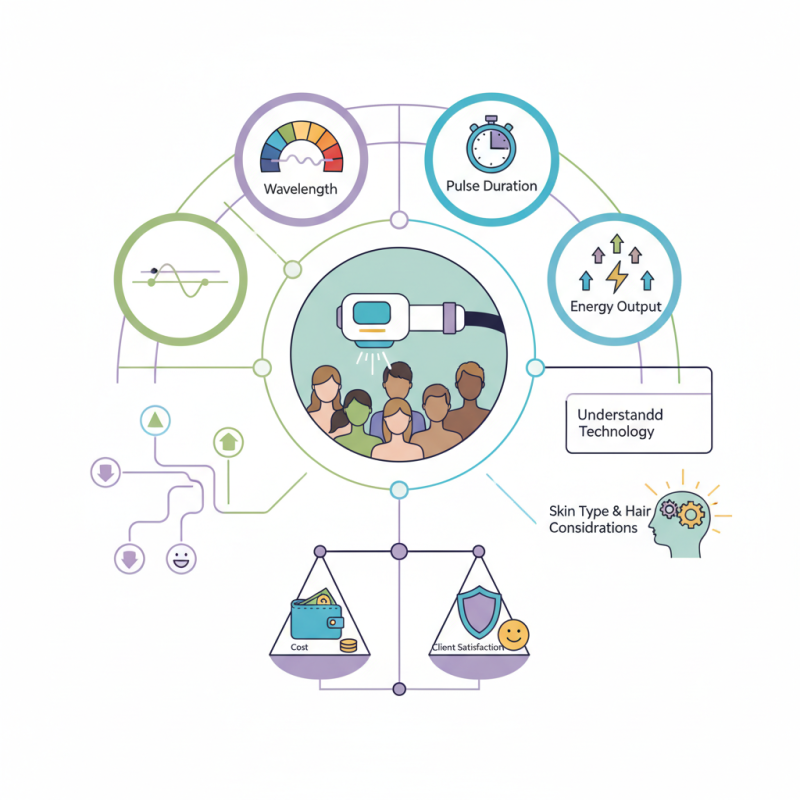
Features like wavelength, pulse duration, and energy output significantly influence the equipment's performance. Each aspect plays a role in the treatment's effectiveness and safety. However, with so many choices available, it’s important to carefully consider your specific needs and potential client demographics. Not all equipment is equally effective for every skin type or hair color, making informed selection vital.
On the other hand, understanding technology is not without challenges. Many practitioners face difficulties evaluating new developments in the field. Furthermore, the cost of high-quality equipment can be a barrier for small clinics. It's essential to weigh budgetary constraints against the long-term benefits of effective Laser Hair Removal Equipment. This balance is crucial for maintaining both client safety and business viability.
Understanding Different Types of Laser Hair Removal Equipment
Laser hair removal has evolved significantly over the years. Understanding the different types of equipment is essential for effective treatment. Generally, there are three primary types of lasers: Alexandrite, Nd:YAG, and Diode lasers. Each type has specific advantages based on skin type and hair color.
Alexandrite lasers are often recommended for lighter skin. They work quickly and deliver effective results. On the other hand, Nd:YAG lasers are suitable for darker skin tones due to their longer wavelength. This allows for safe treatment without damaging surrounding tissue. Diode lasers provide a versatile option. They can treat a variety of skin types and are equally effective for both fine and coarse hair.
Data from the American Society for Aesthetic Plastic Surgery indicates that laser hair removal was one of the top five minimally invasive procedures in 2021. Over 1 million procedures were performed, illustrating growing popularity and trust in these technologies. However, users should be aware of potential drawbacks. Effectiveness varies based on hair color, and multiple sessions are often required for optimal results. Ongoing maintenance treatments can also add to the cost. Choosing the right equipment requires both understanding and careful consideration of individual needs.
Types of Laser Hair Removal Equipment and Their Effectiveness
Key Features to Consider When Choosing Laser Hair Removal Devices
When selecting laser hair removal equipment, several key features come into play. The most important is the type of laser used. Different lasers target various hair and skin types. For example, Alexandrite lasers are effective for lighter skin, while Nd:YAG lasers work better for darker skin tones. Ensuring the device matches your client's skin type can improve treatment outcomes.
Another crucial aspect is the device's cooling mechanism. Effective cooling systems minimize discomfort during treatment. Patients often appreciate a more comfortable experience. Look for devices with integrated cooling technologies that can enhance safety and efficacy.
Tips for choosing the right equipment include evaluating user reviews and feedback. Real-world experiences can shed light on the device's performance. Consider investing time in researching different options. Not every product on the market delivers promised results. A thorough comparison can save time and money in the long run. Remember, equipment should not only be effective but also dependable for ongoing use. Consider attending trade shows or workshops for hands-on experience and expert advice from seasoned professionals. Choosing the right equipment is a detailed process, but it’s essential for successful hair removal services.
Evaluating Safety and Effectiveness of Laser Hair Removal Systems
Choosing the right laser hair removal equipment involves evaluating the safety and effectiveness of different systems. According to a report by the American Society for Aesthetic Plastic Surgery, patients are increasingly seeking effective solutions. Safety is crucial. Understanding skin types and laser wavelengths can prevent adverse effects. For instance, lighter skin types often respond better to certain wavelengths.
Effectiveness varies across devices. A study in the Journal of Cosmetic Dermatology found that devices with a built-in cooling mechanism enhance results by reducing discomfort. Treatment sessions typically require periodic evaluations to ensure ongoing effectiveness. However, not all systems offer consistent results. Reports indicate that about 20% of patients may experience hair regrowth after treatment.
While many lasers are FDA-approved, not all are created equal. Some systems have been found to be less effective for darker skin types. This can lead to unsatisfactory outcomes and potential safety concerns. It highlights the need for thorough research and patient education. Collecting testimonials from previous users can help gauge user satisfaction with specific systems.
Comparing Cost and Maintenance of Various Laser Hair Removal Machines
When selecting laser hair removal equipment, cost and maintenance are crucial factors. A recent market analysis highlighted that the initial investment for quality machines can range from $20,000 to $100,000. This variance mostly depends on the technology used, such as diode or Nd:YAG lasers. While lower-cost machines may seem appealing, they often incur higher maintenance costs as parts wear out quickly.
Maintenance costs typically average around $5,000 to $15,000 annually for professional machines. Regular servicing is necessary to maintain performance and compliance with safety regulations. Many practices overlook this ongoing expense, which can significantly impact profitability. Additionally, operators must factor in training costs. Well-trained staff reduce mishaps, ensuring safety and customer satisfaction.
Moreover, understanding warranty options is vital. Some machines come with extensive warranties; others do not. This can lead to unexpected expenses if equipment malfunctions. Customers should seek out machines that balance initial cost with long-term reliability and maintenance. Evaluating these factors ensures that businesses choose equipment that provides optimal value and performance.
Researching Brand Reputation and Customer Reviews for Laser Devices
When researching laser hair removal devices, brand reputation plays a crucial role. A strong reputation often indicates quality and reliability. Look for brands that have been in the market for several years. They usually have a wealth of experience. Companies with a proven track record often deliver better results.
Customer reviews are another valuable resource. They provide real insights into the product's effectiveness. Check platforms where users share their experiences. Look for common trends in the reviews. Some users report pain or discomfort during treatments. It's essential to consider these aspects when evaluating a device. Not every device suits every skin type, and what works for one might not work for you.
Don’t overlook negative reviews. They can reveal important flaws. For example, if multiple users mention poor customer service, this could be a red flag. Also, consider the number of reviews a product has. A device with a few glowing reviews may not be enough to justify your investment. Aim for deeper research. Direct feedback can guide you toward a more informed decision.