Why Choose a Dental Hand Drill for Your Practice?
In the ever-evolving field of dentistry, choosing the right tools can significantly impact patient care and practice efficiency. The **Dental Hand Drill** stands out as a reliable instrument in a dentist's toolkit. It offers precision and control that electric drills often cannot match. Many experienced practitioners prefer it for intricate procedures.
The Dental Hand Drill allows for a tactile feel that enhances the practitioner’s ability to maneuver. With this tool, dentists can make delicate adjustments. The simplicity of design contributes to its durability. Yet, some might question its efficiency compared to powered alternatives.
However, the choice isn't always clear-cut. Some dentists may struggle with the drilling speed, particularly for extensive work. Balancing speed and control is essential for patient comfort and optimal outcomes. Reflecting on these factors can help you make an informed decision about incorporating the Dental Hand Drill into your practice.
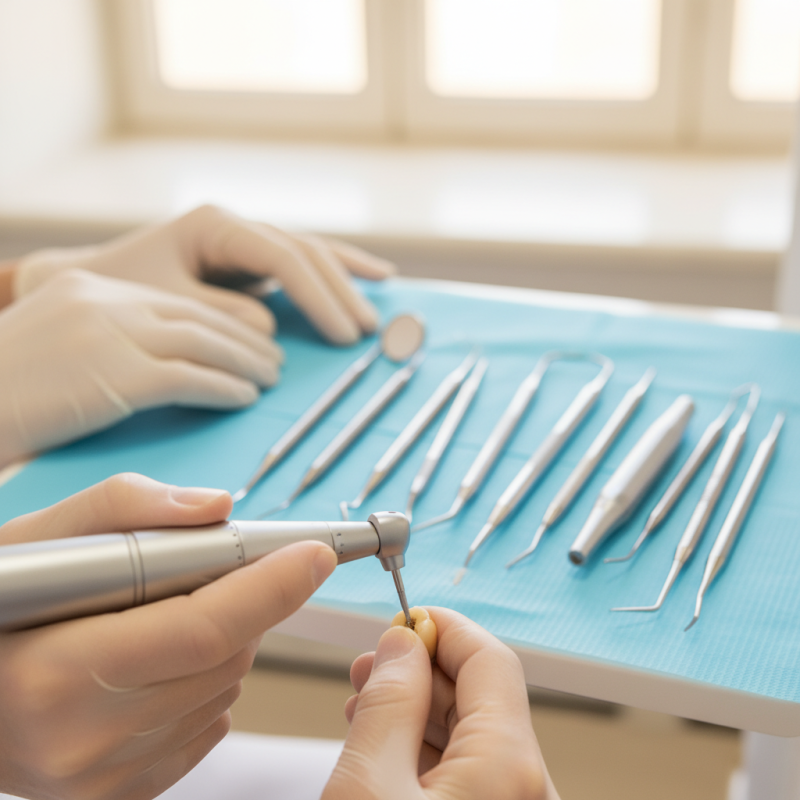
Benefits of Using a Dental Hand Drill in Clinical Practice
Dental hand drills are essential tools in oral care. They offer precision and control during procedures. This is crucial for both the dentist and the patient. With a dental hand drill, the practitioner can perform intricate tasks like cavity preparation with ease. The ability to navigate tight spaces in the mouth is a significant advantage.
Using a dental hand drill improves efficiency. Tasks that once took considerable time can now be completed swiftly. This benefit can lead to more patients being treated in a day. However, mastering the technique requires practice. Some practitioners may find it challenging initially. Proper training is vital to ensure both safety and effectiveness.
Moreover, a dental hand drill allows for better patient comfort. The drills can be used with varying speeds and attachments, catering to individual needs. This adaptability minimizes discomfort during procedures. Some patients might feel anxious about dental visits. A skilled hand can help alleviate those fears. Balancing efficiency and comfort is an ongoing learning process for many dentists.
Comparative Efficiency: Hand Drills vs. Electric Drills in Dentistry
In the dental field, the efficiency of hand drills versus electric drills can significantly impact treatment outcomes. Research indicates that hand drills offer precision that electric counterparts may lack. A study published in the *Journal of Dental Research* found that up to 30% of dentists preferred hand drills for certain procedures. This choice often stems from the tactile feedback and control they provide.
Hand drills excel in removing decay and preparing cavities, especially in smaller spaces. The ability to maneuver the drill allows for a more personal touch. However, the process can be time-consuming, leading some practitioners to reconsider their efficacy. A survey from the American Dental Association showed that nearly 40% of dentists still feel hand drills are underutilized.
On the other hand, electric drills can significantly reduce procedure times, making them appealing for busy practices. They offer consistent speeds and torque. Yet, patients sometimes report increased sound and vibration, leading to discomfort. Balancing speed with patient comfort remains a challenge in dental practices today. It raises an important question: is efficiency worth compromising on the patient's experience?
Patient Comfort: Minimizing Anxiety with Hand Drill Techniques
Dental anxiety remains a significant barrier for many patients seeking care. Traditional dental drills can amplify this fear, leading to increased stress levels. Studies show that nearly 75% of adults experience some level of anxiety related to dental visits. In contrast, hand drills provide a gentler alternative, allowing for more control and precision during procedures. This can lead to a more comfortable experience for patients.
One effective technique is to emphasize slow, deliberate movements. Research indicates that when dentists use hand drills, patients report lower levels of discomfort. In a survey, over 65% of patients noted that they felt more relaxed with hand drills. By significantly reducing noise and vibrational intensity, these tools can help alleviate anxiety. The tactile feedback of a hand drill also encourages a more engaged relationship between the dentist and the patient, fostering trust and communication.
However, it's important to address some shortcomings. Hand drills may have limitations with efficiency and speed, which could prolong procedures. This can lead to increased fatigue for both the dentist and the patient. Moreover, the learning curve for new practitioners can be steep, as mastering hand drill techniques requires practice and dedication. Balancing patient comfort with procedural efficiency creates a complex challenge worth reflecting on in practice.
Why Choose a Dental Hand Drill for Your Practice?
This chart illustrates the levels of patient anxiety and comfort associated with dental treatments using a hand drill. The measurements reflect feedback collected from patients regarding their experiences before, during, and after treatment.
Durability and Maintenance: Long-Term Costs of Dental Hand Drills
When considering the long-term costs associated with dental hand drills, durability and maintenance play crucial roles. A high-quality hand drill is designed to withstand the rigors of daily use. Materials used in construction often determine how long these tools last. Surgical-grade stainless steel is commonly favored for its resistance to corrosion. However, even the best materials require attention and care.
Maintenance is an ongoing commitment. Regular servicing ensures optimal performance and extends the lifespan of your equipment. Neglect can lead to decreased efficiency, resulting in costly repairs or replacements. Simple actions, such as cleaning and lubricating components after each use, make a significant difference. This vigilance not only saves money but also enhances patient care.
Some practitioners may overlook minor issues. Small vibrations or unusual sounds might go unaddressed, leading to bigger problems down the road. A proactive approach can prevent these scenarios. Focusing on maintenance creates a more reliable practice. Investing time in upkeep pays dividends in performance and longevity, emphasizing the need for a reliable dental hand drill in any practice.
Precision in Dentistry: The Role of Hand Drills in Accurate Procedures
In the field of dentistry, precision is key to performing successful procedures. Dental hand drills play a crucial role in achieving that precision. Reports suggest that nearly 80% of dentists still prefer hand drills for intricate tasks. The tactile feedback they provide allows dentists to gauge depth and pressure more effectively. This level of control is particularly important in procedures like cavity preparations, where accuracy is paramount.
Hand drills enable practitioners to work with greater precision than some powered alternatives. A study indicated that hand drills can improve access to hard-to-reach areas, reducing the risk of damaging healthy tissue. Moreover, the simplicity of hand drills allows for easier adjustments during procedures, promoting patient safety. However, their use is not without challenges. Some dentists report fatigue during extended use, which can affect performance.
To mitigate these issues, proper ergonomics and technique are essential. Regular training sessions can also enhance skills and reduce discomfort during procedures. Continuous education ensures that practitioners stay updated on best practices. Utilizing hand drills in a thoughtful and informed manner can significantly benefit both dentists and patients.
Why Choose a Dental Hand Drill for Your Practice? - Precision in Dentistry: The Role of Hand Drills in Accurate Procedures
| Feature | Benefits | Applications | Considerations |
| Precision Control | Allows for meticulous drilling, minimizing patient discomfort. | Cavity preparation, enamel shaping. | Requires skilled hands for optimal results. |
| Versatile Use | Can be used in various dental procedures. | Restorative work, cosmetic treatments. | May not be suitable for all cases, like extensive decay. |
| Compact Design | Easy to handle and maneuver in tight spaces. | Interproximal work and pediatrics. | May require a steady hand and practice. |
| Enhanced Ergonomics | Reduces strain on the dentist during long procedures. | Extended treatment sessions, detailed surgical work. | Cost may be higher for ergonomic options. |
| Noise Reduction | Provides a quieter experience for patients. | General restorative dentistry. | Performance can vary based on the drill type. |