Discover the Benefits of Antibacterial Toothbrushes for Health?
The quest for better oral health has led to innovative tools like the Antibacterial Toothbrush. This remarkable toothbrush not only cleans teeth but also fights harmful bacteria. Many people underestimate the impact of their toothbrush on overall health. Studies suggest that regular toothbrushes may harbor millions of bacteria. In contrast, an Antibacterial Toothbrush is designed to reduce that risk.
Designed with special materials, this toothbrush can significantly lower bacteria growth. A clean toothbrush means healthier gums and teeth. Many users report fewer visits to the dentist due to improved oral hygiene. Yet, it's essential to understand that no toothbrush can replace good brushing habits. An Antibacterial Toothbrush should complement regular dental care practices.
While it boasts many benefits, one must be cautious. Not all Antibacterial Toothbrushes are created equal. Some may only offer limited protection against bacteria. Research is still needed to identify the most effective options. Exploring these toothbrushes can provide valuable insights into achieving better oral health.
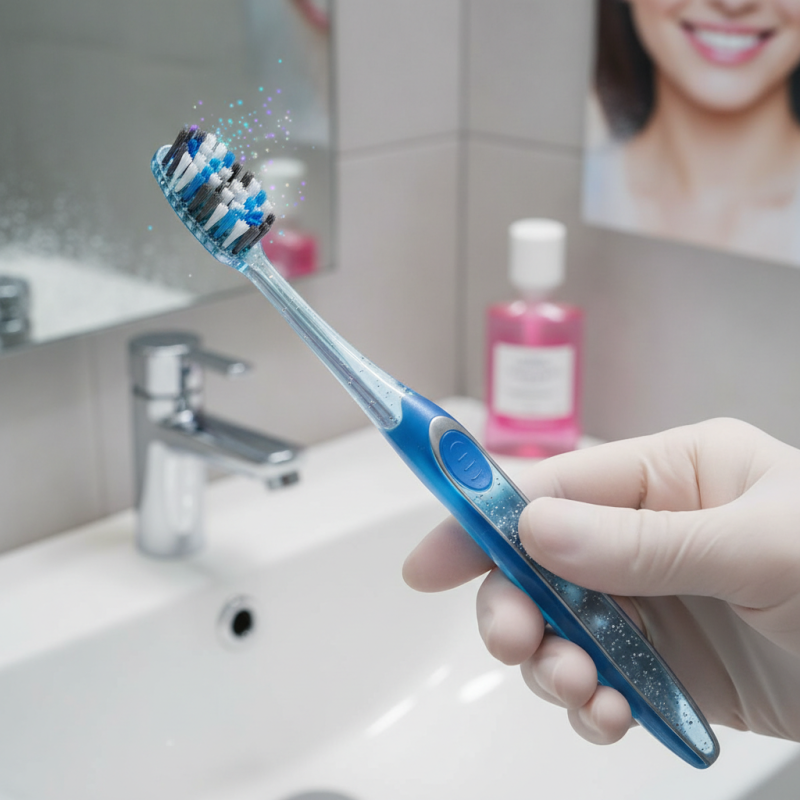
Benefits of Antibacterial Toothbrushes for Oral Health
Antibacterial toothbrushes are increasingly recognized for their role in oral health. Traditional toothbrushes harbor bacteria that can affect gum health. According to a study published in the Journal of Dental Research, about 80% of used toothbrushes can carry potentially harmful bacteria. This poses significant risks, especially for individuals with weakened immune systems.
Choosing an antibacterial toothbrush can mitigate these risks. These brushes often incorporate materials that reduce bacterial growth. Research shows that these special bristles can decrease the bacterial load on the brush by up to 99%. This means cleaner and safer brushing experiences, which is crucial for maintaining overall oral hygiene.
However, the effectiveness of antibacterial toothbrushes can raise questions. Some might wonder if regular cleaning of standard brushes suffices. While proper care is essential, studies indicate that the advancement in antibacterial technology offers enhanced protection against germs. Still, it's worth considering individual needs and lifestyle. Factors such as frequency of brush replacement and personal hygiene habits also play substantial roles in oral health outcomes.
Comparison of Antibacterial Toothbrushes and Regular Toothbrushes
Antibacterial toothbrushes offer a unique advantage over regular toothbrushes. They are designed to combat harmful bacteria that can accumulate over time. This feature is vital for maintaining oral hygiene. Studies indicate that these brushes can reduce levels of bacteria in the mouth. Some users report fewer instances of gum disease. Regular toothbrushes, however, can harbor bacteria if not replaced regularly.
The materials used in antibacterial toothbrushes often inhibit bacterial growth. This quality can lead to a cleaner brushing experience. Yet, some argue that the benefits of antibacterial properties may be overstated. It's essential to consider routine cleaning habits. Even the best toothbrush can be compromised by improper care.
Both types of toothbrushes can effectively clean teeth when used correctly. The choice ultimately lies in personal preference. Users must weigh the pros and cons. Regular replacement is crucial with both options. In the end, maintaining consistent dental hygiene remains the most important factor.
How Antibacterial Properties Work in Toothbrushes
Antibacterial toothbrushes are gaining attention for their potential health benefits. These brushes are treated with antimicrobial substances to reduce bacterial growth. Studies indicate that up to 80% of dental issues may stem from bacteria accumulation. By using antibacterial toothbrushes, users can significantly decrease the bacteria in their mouths.
The antibacterial properties in these brushes usually work through silver ions or other materials. These agents disrupt the bacterial cell wall. This action prevents bacteria from reproducing, thus keeping your toothbrush cleaner for longer. Research from dental health organizations shows a 30% reduction in oral bacteria when using these specialized brushes compared to standard ones. However, concerns arise regarding the long-term efficacy of these treatments. Some experts question whether the antibacterial properties diminish through regular wear and tear.
Users should also consider how often they replace their toothbrushes. Recommendations suggest changing them every three months. Neglecting this can lead to a buildup of bacteria, even on antibacterial brands. While these innovations provide benefits, they are not a substitute for proper oral hygiene practices. Regular brushing and flossing remain essential for maintaining overall dental health.
Importance of Regular Toothbrush Replacement for Hygiene
Regularly replacing your toothbrush is crucial for maintaining hygiene and oral health. Over time, toothbrush bristles wear down and lose their effectiveness. This wear can lead to ineffective cleaning, allowing plaque and bacteria to build up. Replacing your toothbrush every three to four months is a simple yet effective practice.
Using an antibacterial toothbrush can provide added protection. These brushes are designed to reduce bacterial growth on the bristles. However, it’s important to remember that proper dental hygiene practices also include regular replacements. Antibacterial properties can diminish over time. Relying solely on the antimicrobial feature without regular replacements may lead to complacency.
Some people forget to change their toothbrush. Keeping a calendar reminder can help. Others may not notice the bristles fraying until it’s too late. Visual checks should be a part of your routine. Maintaining good dental hygiene is a responsibility that requires consistent effort. Ignoring the importance of regular toothbrush replacement can jeopardize oral health.
Discover the Benefits of Antibacterial Toothbrushes for Health
| Feature | Antibacterial Toothbrushes | Regular Toothbrushes |
| Bacterial Reduction | Reduces bacterial growth significantly | Bacteria can thrive over time |
| Effectiveness | May enhance overall oral hygiene | Effective but less protective |
| Lifespan | Recommended to replace every 3-4 months | Should be replaced every 3-4 months |
| Cost | Typically more expensive | Generally more affordable |
| Availability | Available in specific stores | Widely available |
Importance of Regular Toothbrush Replacement for Hygiene
Tips for Choosing the Right Antibacterial Toothbrush
When selecting an antibacterial toothbrush, focus on the bristle material. Many advanced toothbrushes use antibacterial agents in their bristles. This helps reduce bacteria growth. Consider brushes with soft to medium bristles for gentle cleaning. Hard bristles might harm your gums.
Next, think about the design. Ergonomic handles are easier to grip. Look for a toothbrush that feels comfortable in your hand. Some come with a built-in timer, ensuring you brush long enough. Check the head size too; smaller heads can reach difficult areas.
Lastly, reflect on the lifespan. Even antibacterial brushes wear out. Replace yours every three to four months or sooner if bristles fray. An antibacterial toothbrush alone won't ensure oral health. You still need proper brushing technique. Sometimes, we overlook this. An effective routine goes hand in hand with your choice of brush.